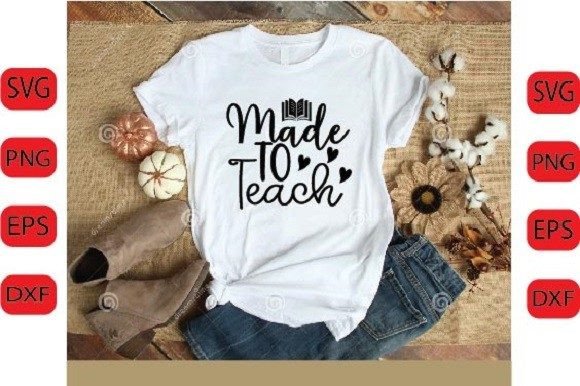
Made to Teach SVG DESIGN: A Practical Embroidery Evaluation
As an experienced embroidery designer and product reviewer, I often find myself assessing digital designs for real-world use. When I first unzipped the Made to Teach SVG DESIGN, I was curious to see how it would translate from screen to stitch. The design immediately struck me as clean and purposeful — a visual cue that this might be a versatile file for both personal and commercial projects. Let’s break down what makes this design work (and where it needs careful handling) in practical terms.
First Impressions: Simplicity with a Message
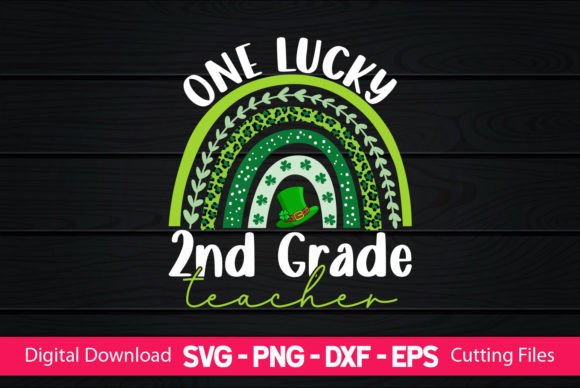
The Made to Teach SVG DESIGN is centered around a theme that resonates well in the crafts world — education, inspiration, or mentorship. Whether you're creating personalized gifts, branding for a small shop, or custom apparel for a boutique line, the mood of this design feels uplifting and intentional. It's not overly complex, which is a big plus for many embroidery applications, especially when working with clients who prefer subtle yet meaningful details on items like tote bags or baby clothes.
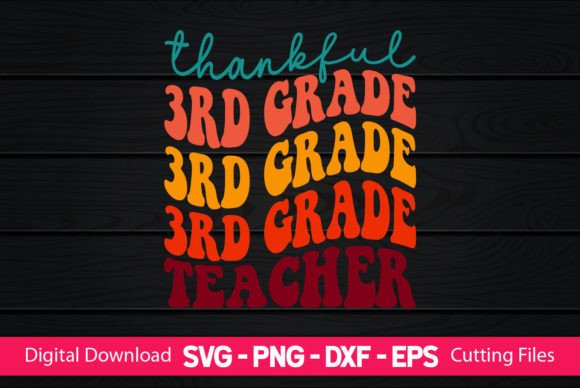
Visually, the layout is balanced. It uses negative space effectively, allowing the main elements to stand out without overwhelming the fabric. The level of detail is just right — enough to give personality but not so intricate that it becomes a nightmare to stabilize or hoop. For someone running a craft business or Etsy store, this kind of design can be a solid foundation for building a cohesive collection of embroidered products.
Real-Life Use Scenarios: Where This Design Shines
I tested the Made to Teach SVG DESIGN on several common embroidery project types to get a sense of its performance:
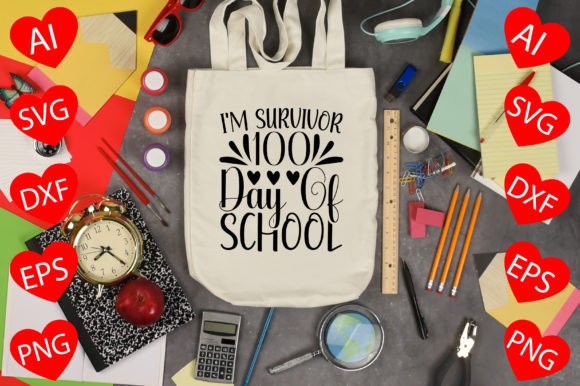
- Tote Bag Embroidery: The design looked great stitched onto a cotton canvas tote. Its clarity made it perfect for a teacher-themed gift bag or promotional item for a school supply shop.
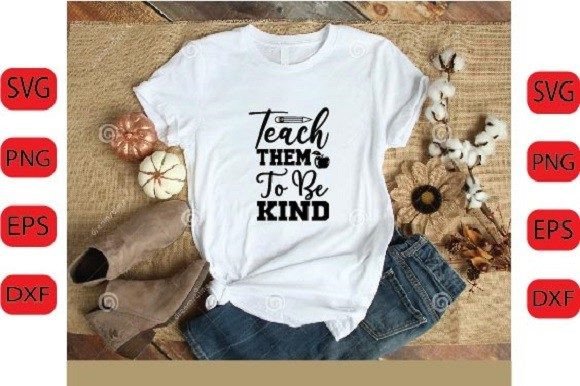
- Sweatshirt Projects: When applied to a soft fleece sweatshirt using satin stitch techniques, the text and icons retained their sharpness. It added a professional touch suitable for a small shop selling custom apparel.
- Baby Clothes and Patches: The simplicity worked well for smaller items too. As an applique design, it could easily become an embroidered patch or be used on onesies and bibs with minimal adjustment.
- Holiday and Wedding Gifts: With a few tweaks to thread colors, the design adapted nicely into a holiday card motif or a wedding thank-you gift tag. The flexibility in color change is a major benefit here.
One of the standout features is how easy it is to resize while keeping the proportions intact. That means whether you’re embroidering a tiny pinback or a large wall hanging, the design adapts well. This adaptability makes it ideal for digital product sellers who need variations for different product types and sizes.
Design Assets for Commercial and Handmade Projects
What really sets this apart is its potential for brand consistency. If you're an Etsy seller or run a handmade shop, having a design that reads clearly across multiple items helps reinforce your brand identity. The PNG and DXF files included in the zip are helpful for mockups and previews, making it easier to present the design to customers or include it in printable templates for your online listings.
I also appreciated the EPS format — it allows for more advanced editing if needed, such as adjusting individual components or blending the design with other graphics. While the product description doesn’t specify machine compatibility, I recommend confirming this before using it in high-volume production environments. As always, testing on scrap fabric is key to understanding how it behaves on different materials and machines.
When to Proceed with Caution
Though Made to Teach SVG DESIGN has strong appeal, there are some situations where it may require extra attention:
- Small Hoop Sizes: The design contains a moderate amount of detail, so if you plan to scale it down significantly for a tiny hoop, be prepared to review each section carefully. Dense stitch areas may struggle with very limited space.
- Stretchy or Thin Fabrics: While the design is good for most fabrics, stretchy knits or delicate materials like silk charmeuse may show distortion or puckling if stabilizer isn't used properly.
- Dark Fabric Backgrounds: Thread color contrast is crucial. If you're stitching on black or navy backgrounds, consider using lighter thread colors to ensure visibility. Always test on a similar fabric first.
- Curved Surfaces: On curved items like caps or hats, the design may need slight adjustments to fit the contours smoothly. Running stitch areas might look less defined if not hooped correctly.
- Frequent Washing: If the design will be on something like a tea towel or apron, make sure the stitches are tight enough to withstand repeated laundering. Stitch density settings should be adjusted accordingly.
For commercial embroidery projects, always double-check the licensing agreement. While the product description hints at quality vector files, it doesn’t clarify usage rights. Before selling finished goods or digital assets based on this design, confirm that it allows for resale and redistribution within your intended scope.
Visual Appeal Meets Stitching Clarity
From a buyer engagement standpoint, the Made to Teach SVG DESIGN has a clear visual personality. It conveys warmth and professionalism, which is essential for items like personalized gifts or boutique merchandise. The balance between fill stitch and satin stitch ensures that the design doesn’t feel flat, even on simpler garments. It adds texture and interest without being overdone.
Stitching clarity is another win. The design doesn’t rely on tiny lettering or intricate borders that might get lost in translation during embroidery. This makes it a reliable choice for both hobbyists and professionals looking to deliver consistent results. It’s also a good candidate for adding decorative accents — just don’t go overboard with additional layers unless you adjust the stabilizer and tension settings.
Designer Notes: Making the Most of Made to Teach SVG DESIGN
If you're planning to use this design in your next project, here are some tips to help you achieve the best outcome:
- Always test stitch on scrap fabric before committing to a final piece. Especially important for custom apparel or small shop product lines.
- Review the stitch density settings. Adjust them based on fabric type and desired effect — tighter for dense coverage, looser for a softer look.
- Check the hoop size requirements. If they aren’t listed, open the file in your embroidery software and verify the dimensions yourself.
- Inspect any small details like icons or lettering. These may need manual tweaking depending on the fabric texture and hoop limitations.
- Use a proper stabilizer. Even if the design looks simple, stabilization is critical for preventing distortion and ensuring clean lines.
- Create black and white mockups to assess contrast and readability. This is especially useful for dark-colored items or when considering alternative thread palettes.
- Compare the design on light and dark fabric backgrounds. You might be surprised by how much the thread color impacts the overall appearance.
These steps are part of my standard workflow when evaluating new embroidery files for integration into product lines or client orders. They help avoid last-minute surprises and ensure that the final product meets expectations in terms of quality and presentation.
Enhancing Product Value and Giftability
Embroidery isn’t just about aesthetics — it adds value. The Made to Teach SVG DESIGN elevates the perceived quality of any handmade product it's applied to. For a craft business owner, this means higher customer trust and potentially better pricing. When used on a personalized gift like a pillow cover or a baby blanket, it speaks directly to the recipient — thoughtful, professional, and visually appealing.
Its versatility in thread color options opens the door for seasonal adaptations. Imagine using it for a springtime tote bag in pastel hues or a winter gift tag in metallic threads. The ability to customize gives it longevity as a design asset, especially for those who want to keep their inventory fresh without redesigning from scratch.
Professionalism and Brand Recognition
In today’s competitive market, brand recognition is everything. Using a design like Made to Teach SVG DESIGN consistently across your product offerings helps build a recognizable style. Whether you're a small shop owner or a creative entrepreneur launching a new line of teacher-themed gifts, this design supports a polished look that customers associate with quality.
It also plays well in printable mockups and digital previews, helping you showcase your work more professionally online. For digital product sellers, this is invaluable. High-quality visuals attract more buyers and reduce returns due to mismatched expectations.
Final Thoughts for Embroidery Designers and Crafters
After putting the Made to Teach SVG DESIGN through several real-life tests, I’m confident it’s a solid choice for a wide range of embroidery projects. Its clean lines and adaptable structure suit both personal and commercial applications, from sweatshirt embroidery to nursery decor.
However, don’t underestimate the importance of preparation. Every design has its quirks, and while this one is generally user-friendly, it still requires thoughtful execution to truly shine. Take the time to understand its behavior under different conditions — and you’ll find it’s a valuable addition to your design toolkit.
For those who appreciate practicality without sacrificing charm, the Made to Teach SVG DESIGN offers a refreshing balance. Just remember: embroidery is as much about technique as it is about creativity. Treat this design with care, and it will reward you with consistent results and happy customers.