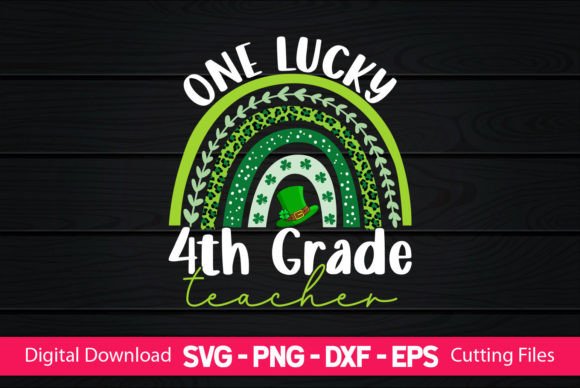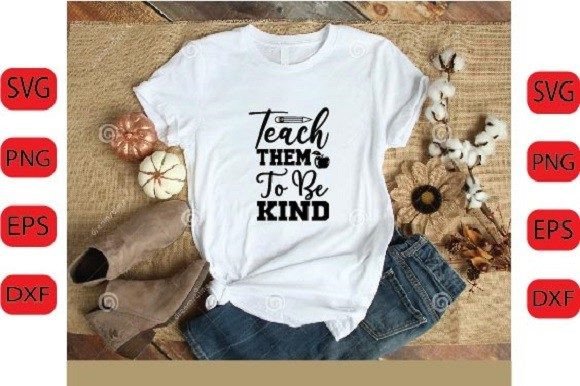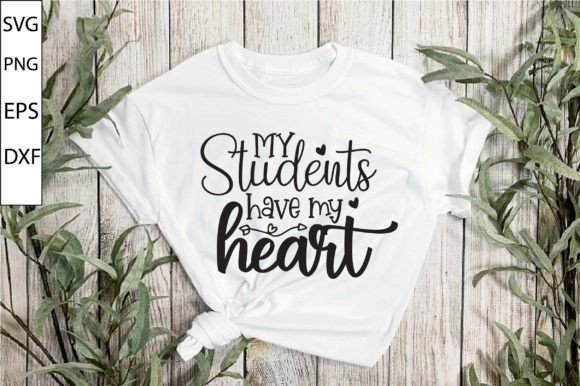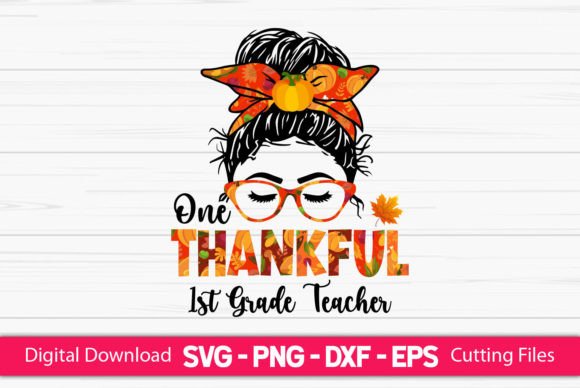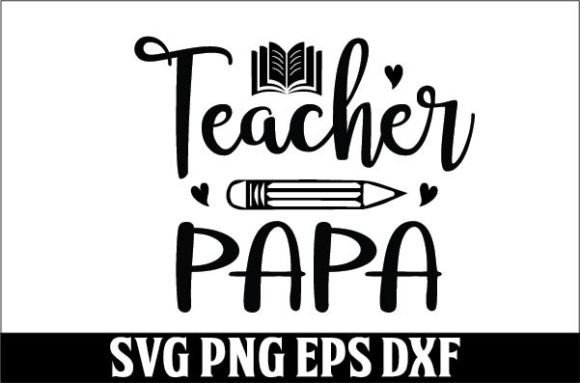
Teacher Papa SVG Design: A Versatile Asset for Crafts and Graphics
Real-World Applications for Local Business Branding
- Logo Design: The design was used as a supporting element next to the logo. Its intricate details added a layer of sophistication without overshadowing the main branding mark.
- Product Labels: On custom stickers and label designs, the SVG provided a decorative border that made each product feel more curated and thoughtful.
- Packaging Accents: When applied subtly on gift box wraps or tissue paper, the pattern created a cohesive and memorable brand experience.
- Social Media Graphics: Used in hero images and promotional posts, it helped build a stronger first impression and aligned with the brand’s educational and creative tone.
- Printable Inserts: Incorporated into thank-you cards and order notes, it enhanced the customer experience by adding a personalized, handcrafted look.
Supporting Better Brand Presentation
Stronger First Impression: The design has a polished feel that immediately adds value to any packaging or marketing material. For small businesses competing in crowded markets, this can be a game-changer.
Better Product Recognition: Consistent use of the design across labels, boxes, and digital content helps customers recognize the brand instantly. This is especially helpful for handmade sellers and boutique owners who rely on repeat purchases.
Clear Visual Hierarchy: As an accent rather than a focal point, the design works well in guiding the eye toward key messaging such as product names or special offers.
More Consistent Brand Identity: With multiple file formats (SVG, PNG, EPS, DXF), it allows for seamless integration across different platforms—from print to web, ensuring brand consistency at every touchpoint.
Improved Customer Trust: The high-quality vector work and easy customization suggest professionalism, which builds trust. Especially for new local businesses, this can make all the difference in early customer engagement.
Where This Design Shines
- Hero Graphics: Perfect for creating standout visuals on website banners or Canva templates.
- Decorative Brand Elements: Adds subtle texture to menus, price lists, or editorial designs.
- Seasonal Campaigns: Easily adaptable for holiday-themed promotions or educational events.
- Thank-You Cards and Packaging Inserts: Gives a personal, hand-crafted touch that resonates with customers.
- Small Business Packaging: Works beautifully as a background pattern or border on product mockups for online stores.
- Boutique Visuals: Ideal for enhancing store signage, hang tags, or flyer designs with a soft, artistic flair.
Use Cases to Consider Carefully
- Formal Corporate Branding: The design leans more towards a casual, crafty vibe and may not suit highly formal or traditional industries.
- Very Small Labels: Because of its detailed nature, using it on tiny product labels could cause overcrowding and reduce readability.
- Crowded Packaging: If your layout already includes a lot of text or graphics, this design may compete for attention rather than enhance the message.
- Ingredient-Heavy Layouts: Avoid placing it over areas where ingredients or product descriptions need to be clearly visible.
- Legal Information Areas: Never use it in regions where legal disclaimers or terms must remain unobstructed.
- Low-Contrast Backgrounds: The design needs enough contrast to stand out; otherwise, it may get lost visually.
- Luxury Minimalist Brands: While beautiful, the design may not align with brands that prioritize simplicity and understated elegance.
Designer Tips for Implementation
- Test It on Real Packaging Mockups: See how it looks on actual-sized labels and boxes before committing to print runs.
- Check Black and White Usage: Make sure the design still holds up if printed in grayscale or monochrome.
- Preview on Small Labels: Zoom in and assess whether the details will remain legible at smaller sizes.
- Test It with Your Brand Colors: The design is easy to recolor, so experiment with different palettes to ensure it complements your identity.
- Compare with Competitor Packaging: Use it to differentiate your brand while maintaining a cohesive style.
- Check Print Quality: Always test print samples to confirm that the vectors render cleanly and professionally.
- Review PNG Transparency: Ensure the PNG file maintains clarity and doesn't have unnecessary white space when layered with other elements.
- Inspect SVG or Vector Editability: Since you receive a full vector file, verify that all parts are editable for fine-tuning.
- Test Beside Different Fonts: Try pairing it with serif, sans-serif, script, handwritten, and display fonts to see what combinations feel most harmonious.
- Confirm Commercial Licensing: Before using it for client work, physical product sales, or commercial design, always double-check the licensing agreement to avoid legal issues down the line.