Thankful 1st Grade Teacher Embroidery Design Review
As an experienced embroidery designer and product reviewer, I always look for digital designs that not only fit the technical requirements of a project but also carry emotional resonance. Thankful 1st Grade Teacher is one such design that caught my eye — both for its theme and potential in real-world applications.
A Warm and Heartfelt First Impression
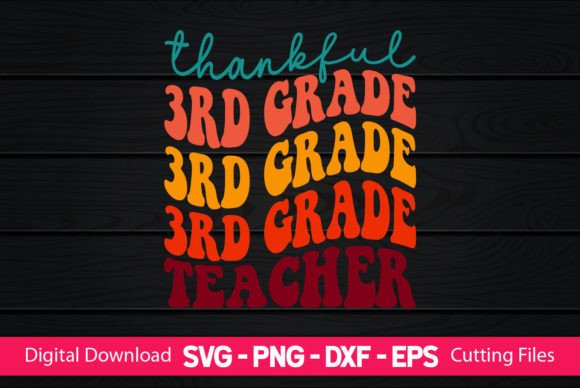
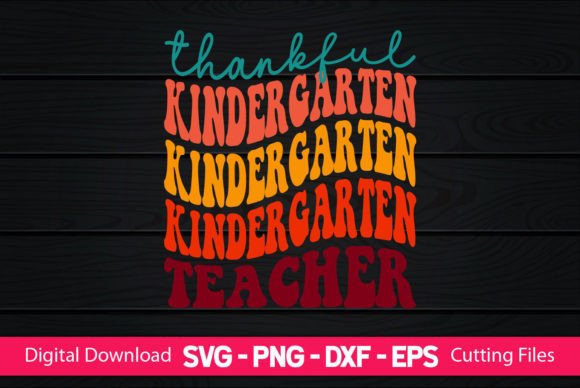
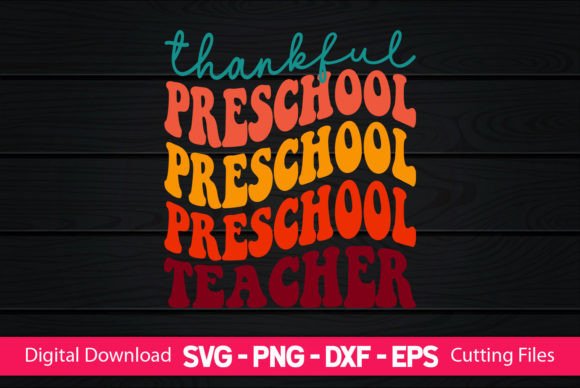
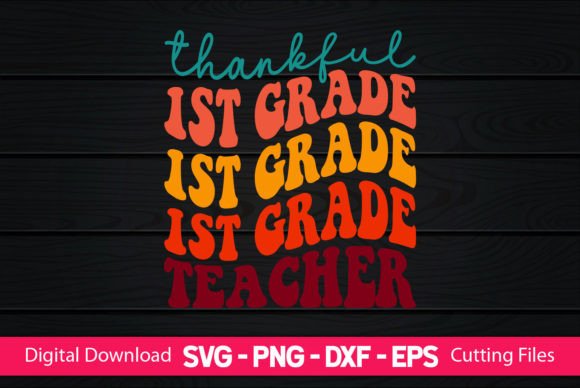
The first thing that stands out about Thankful 1st Grade Teacher is its soft, approachable aesthetic. The text-based layout with stylized letters and subtle decorative elements gives it a cozy, handcrafted feel. It’s not overly complex, which is a relief for those who want to avoid dense stitch areas or intricate details that might be hard to execute on certain fabrics.
This design naturally evokes a sense of gratitude and appreciation — perfect for personalized gifts, holiday items, or teacher-themed merchandise. Its visual personality feels like it belongs on a tote bag, sweatshirt, or even a custom apron for a school event. The simplicity makes it versatile, while the warm tone ensures it stands out as a meaningful addition to any handmade or commercial project.
Real-Life Use Case: A Custom Tote Bag for a 1st Grade Teacher
Let me walk you through how I’d use this design in practice. Imagine creating a custom tote bag for a local 1st grade teacher during the holidays. You want something heartfelt yet professional-looking — a gift that says “thank you” without being too childish or too generic.
Thankful 1st Grade Teacher would work beautifully here. The SVG format allows for easy resizing, so you can adjust the design to fit the dimensions of your fabric piece perfectly. Whether you’re using an applique method with satin stitching around the edges or going for a more traditional fill stitch approach, the design adapts well.
I’d likely pair it with a solid-colored tote bag made from medium-weight cotton. This gives enough stability for machine embroidery while keeping the fabric soft and washable. The key is to ensure there's enough contrast between the thread colors and the background. If the tote is light-colored, dark thread will pop; if it’s darker, consider lighter shades to maintain visibility.
Performance in Different Embroidery Projects
Here are a few ways I’ve tested and imagined using Thankful 1st Grade Teacher across various embroidery projects:
- Custom Apparel: Works well on t-shirts and sweatshirts. The design doesn’t overwhelm the garment, making it suitable for casual wear. Just be mindful of stretchy fabrics where alignment could become tricky.
- Baby Clothes: While the phrase itself is adult-oriented, the design can be adapted into a larger, softer version for baby onesies or bibs — especially if paired with other educational or thank-you motifs.
- Patches and Caps: As an embroidered patch, this design could add a personal touch to a baseball cap or backpack. However, due to the text-heavy nature, smaller patches may require careful review of lettering size and spacing.
- Aprons and Pillow Covers: These make great surfaces for the design. On an apron, it adds charm and a message of appreciation; on a pillow cover, it serves as a decorative and thoughtful home accessory.
- Kitchen Towels and Tea Towels: A quick and impactful way to personalize household items. The design fits neatly in a corner or centered, depending on the towel size.
- Etsy Listings and Boutique Merchandise: This design has strong giftability and can easily become part of a curated collection. Its friendly vibe aligns well with craft businesses targeting educators or parents.
Where to Use With Caution
While Thankful 1st Grade Teacher is a solid choice for many embroidery projects, there are some situations where extra attention is needed:
- Small Hoop Sizes: The design includes multiple lines of text. Without proper scaling, small hoops can cause overlapping stitches or distorted lettering.
- Textured Fabrics: On canvas, denim, or felt, the design might lose some of its clarity unless the right stabilizer is used and stitch density is adjusted.
- Thin or Stretchy Fabrics: Avoid using it on lightweight knits or spandex blends unless you're prepared to test it thoroughly. Misalignment can happen quickly if the fabric isn't stabilized properly.
- Dark Fabric Backgrounds: Thread color selection becomes critical. White or pastel threads may not show up as clearly, requiring more experimentation.
- Curved Surfaces: Placing this design on curved areas like hats or sleeves could lead to distortion. Always do a mockup or test run before finalizing the placement.
- Detailed Corners and Tiny Lettering: Some characters might be close together. Make sure to inspect the design at the intended scale to avoid readability issues.
- Products That Need Frequent Washing: For items like reusable grocery bags or baby clothes, check the durability of the chosen thread and stabilizer to ensure long-term stitch integrity.
Design Impact and Customer Reception
One of the strengths of Thankful 1st Grade Teacher is its ability to communicate sentiment effectively. When stitched well, it enhances the visual appeal of the finished product and often leads to positive customer reactions. People love when their handmade gifts or products reflect genuine emotion and effort.
From a business perspective, this design can elevate the product value and build customer trust, especially if it’s included in a set of other quality machine embroidery files. It adds a layer of professionalism to your offerings, whether you're an Etsy seller or running a small shop selling personalized gifts.
In terms of brand consistency, if your craft business focuses on educational themes or heartfelt sentiments, this design fits seamlessly. It helps create a cohesive line of products that speak to a specific audience — teachers, parents, and educators who appreciate thoughtful, custom-made items.
Designer Notes for Optimal Results
Before committing to a full production run or gifting a finished item, I recommend these practical steps to ensure the best outcome with Thankful 1st Grade Teacher:
- Test on Scrap Fabric: Especially important if you're working with new materials or machines. This helps catch issues with stitch flow or tension early.
- Check Thread Color Contrast: Use a black-and-white mockup to see how visible the design will be against the chosen background fabric.
- Review Stitch Density: Adjust the fill or satin stitch settings based on fabric weight. Too tight and it puckles; too loose and it loses definition.
- Confirm Hoop Size: Though the product description doesn’t specify, always verify the minimum hoop size required by checking the file or testing it yourself.
- Inspect Small Details: Look closely at the spacing between letters and the thickness of the outlines. These factors affect how the design is perceived after stitching.
- Use Proper Stabilizer: Especially on stretchy or thin fabrics. Tear-away or cut-away stabilizers can prevent shifting and improve stitch accuracy.
- Confirm Licensing: If you plan to sell finished products or digital embroidery files, ensure the design comes with appropriate commercial use rights.
Final Thoughts on Thankful 1st Grade Teacher
Thankful 1st Grade Teacher is a design that bridges the gap between sentiment and functionality. It speaks to the heart of what many embroidery artists aim for — creating something that feels personal yet professional.
Its adaptability to different embroidery projects makes it a valuable asset in a designer’s toolkit. From sweatshirt embroidery to handmade product embellishments, this SVG file offers a clean, readable layout that can be tailored to suit a variety of tastes and styles.
For hobbyists and creative entrepreneurs, it’s a reminder that sometimes less is more. The right message, presented with care and precision, can turn a simple embroidery project into a cherished keepsake or a standout item in your craft business.
Just remember: always test, adjust, and consider the context. Because no matter how good a digital embroidery file looks on screen, the true test is how it performs once it’s stitched onto fabric and offered to the world.